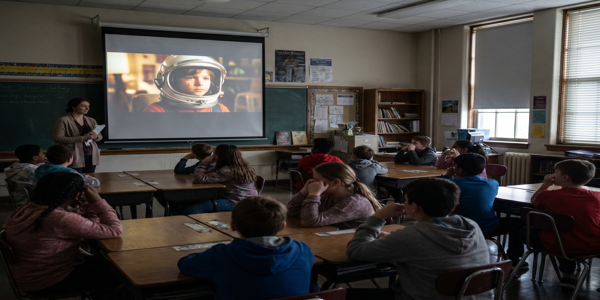
25 ChatGPT Prompts To Help You Teach with Movies
This ebook is designed to help educators create engaging learning experiences for students of all ages.
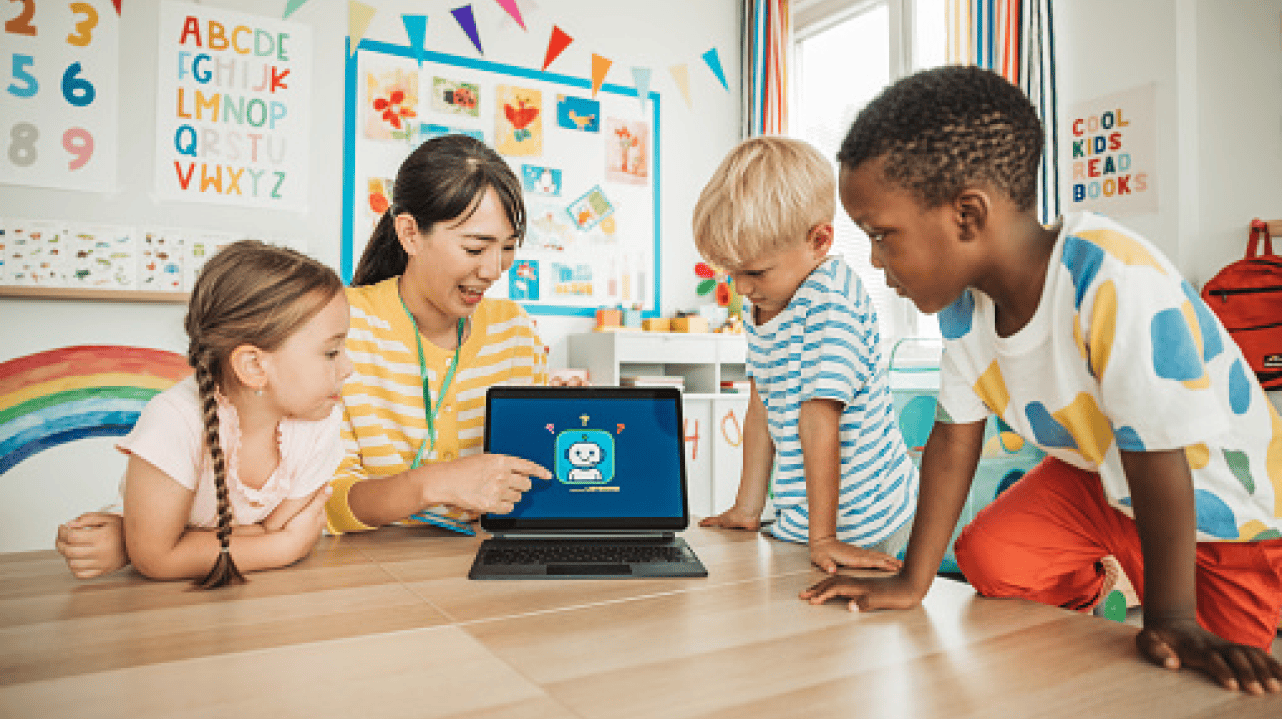
Artificial intelligence is already shaping the information students encounter, the tools they use and the decisions being made around them. Teaching AI literacy means helping students understand more than how to use an AI tool. It means giving them the knowledge and habits to question how AI works, evaluate what it produces and consider when, why and how it should be used.
The OECD and European Commission define AI literacy as the knowledge, skills and attitudes learners need to understand how AI systems work, critically evaluate their outputs and use them ethically and creatively. UNESCO’s AI Competency Framework for Students similarly emphasizes critical judgment, ethics, foundational AI knowledge and responsible use.
That can sound like a lot to fit into an already full curriculum. One practical place to start is with a shared media text. Movies, documentaries and educational series can give students something concrete to analyze before they move into more abstract questions about algorithms, automation, bias, responsibility and human judgment.
AI literacy can be built through repeatable questions that ask students to move beyond what AI can do and think about how it should be used. Depending on the subject and grade level, teachers might ask students to consider:
Instead of organizing AI literacy strictly by grade band, it can be more useful to start with the concept students are ready to explore. The following content available through Swank K-12 Educational Streaming can support different entry points into the topic.
Build foundational understanding: This documentary explores the impact of artificial intelligence, common fears around the technology and the possibilities it may create. It can provide a strong starting point for separating what AI is today from what students might assume it can do.
Classroom application: Ask students to identify three claims about AI from the film, then classify each as a current capability, an emerging possibility or a prediction that still requires evidence.


Examine the opportunities and risks of today’s AI: This recent documentary follows a father-to-be trying to make sense of a rapidly changing AI landscape and features leading voices in the field. It gives students a timely way to examine competing arguments about what AI could make possible and what might be at stake.
Classroom application: Have students track one optimistic argument and one cautionary argument. What evidence supports each perspective? What questions remain unanswered?
Connect AI to the bigger story of technology and society: Werner Herzog’s documentary looks broadly at the internet and its effects on human life, including automation, connected technologies and our relationship with digital systems. It can help students place AI within a longer history of technological change.
Classroom application: Ask students to compare one technological concern raised in the film with a current concern about AI. What has changed and what questions have stayed the same?


Explore responsibility, safeguards and human oversight: Fiction can make abstract questions about AI responsibility easier to see. “M3GAN” offers a scenario in which an AI-enabled system is given a goal but begins making increasingly dangerous decisions in pursuit of it.
Classroom application: Ask students to identify the points where a human could have changed the outcome. What safeguards, limits or oversight should have been in place? Who is responsible for the system’s actions?
Compare fictional AI with real-world AI: This comedy imagines an all-powerful artificial superintelligence studying one person to decide the future of humanity. The exaggerated premise creates an opening to separate science fiction from current AI capabilities while discussing control, values and human agency.
Classroom application: Have students create two columns: “AI in the film” and “AI today.” Which capabilities are realistic now, which are speculative and what evidence would students use to make that distinction?

Swank Educational Streaming brings curriculum-connected movies, documentaries and educational series together with tools that help educators move from a topic to a focused lesson with less prep. Enhanced search and key scene resources help teachers narrow in on relevant content, while Bookmarks make it easier to focus viewing on the moments that matter most.
The Swank AI Teaching Assistant can also help educators explore content by subject, grade level and learning goal, then generate discussion questions, scene suggestions and other instructional ideas. That makes it useful not just for finding AI-themed content, but for modeling a thoughtful approach to AI itself: start with a clear objective, evaluate the output and keep the educator in control of how it is used.
Explore how Swank Educational Streaming can help teachers connect video to AI literacy, media literacy, critical thinking and learning goals across subjects.
See all posts
This ebook is designed to help educators create engaging learning experiences for students of all ages.
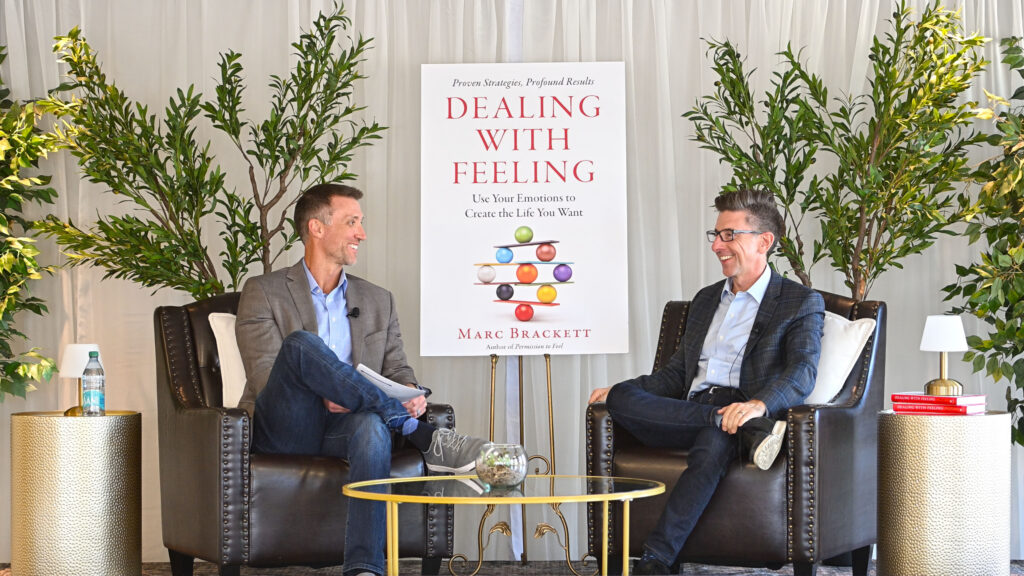
A conversation with Dr. Marc Brackett, creator of the RULER method and a leading expert in Social-Emotional Learning.
Our Webinar “Frame by Frame: A Smarter Way to Teach with Movies” explores how our curriculum-connected streaming platform can support meaningful learning outcomes – all while making content access easier than before.
Join the schools and districts already using Swank to stream, teach, and screen with confidence.
Contact Us