A district library leader shares how educational streaming is giving teachers more ways to discover, use and share video for instruction.
For one school district in Colorado, access to educational streaming has created new opportunities for teachers and district leaders to think about where video fits into instruction and how it can support students in different learning environments.
Len Bryan of District Library Services at Cherry Creek Schools recently sat down with Swank to share how educators are using Swank Educational Streaming and the impact he’s seeing firsthand.
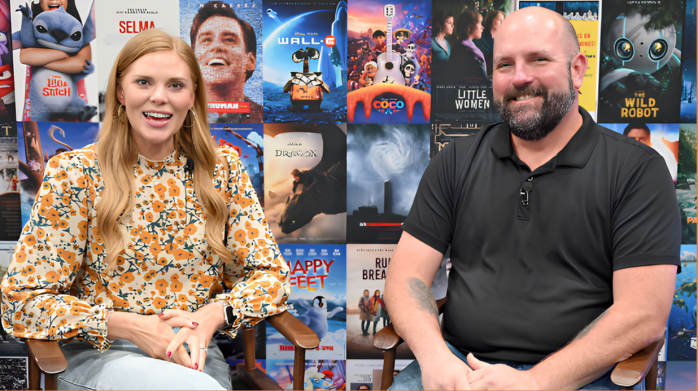
My name is Courtney Mack with Swank K-twelve Streaming, and I have with me Len today. He is a friend and a partner here that we work with. Len’s actually the director of libraries for Cherry Creek School District out in Colorado. What is the biggest impact you see from a teacher’s perspective having access to our streaming platform. I think the biggest impact for me and for our teachers has been the conversations that we’re able to have. How having the streaming platform has replaced your personal streaming services that you might have traditionally used in the classroom. So it opens up those opportunities to have those conversations and allows me an access point for our teachers, our administrators, our district and school leaders to talk about the value of having educational media and having it available to our students at home, at school, for whole class viewing, for flipped classrooms. There’s so many applications that we use. Within the Swank platform itself, the things our teachers are loving is the ability to use the chatbot to recommend videos. It gets them outside of their comfort zone, their wheelhouse, but this gives them an opportunity to update what they’re offering to the kids. It gives them a chance to talk about different films in different ways that reinforce what they’re teaching. The bookmark feature has been hugely popular. I’ve had a lot of teachers swoon with excitement when they find out that they don’t have to drag to a certain point. They can bookmark it, set the stopping point, put some directions in there, send it to the kids. It’s been a game changer for a lot of our teachers. The Swank streaming platform has films that cover multiple subject areas, multiple grade levels. Can you share maybe a subject that is able to incorporate film that maybe didn’t previously have as many options? Sure. We actually have film studies classes in our high schools and these teachers have been having to find DVDs. They’ve been scrambling and they have spent their own personal money to buy copies of media that they can use for their students. I presented to them at the end of last year at their stat development meeting on all the things that the library provides and Swank is part of it. They were like, we can show movies and not have to worry about it. Now they know they’re covered and they were just, they’re ecstatic. Yeah, it’s a wrap around service. Equitable access to every program, every subject and every school. Yeah, I love it. Well, thanks for your time today and for being a partner and a friend and we’re so appreciative of you. Thank you.
More ways to use video across the district
One of the biggest benefits Len has seen is the opportunity to have broader conversations about the role of educational media.
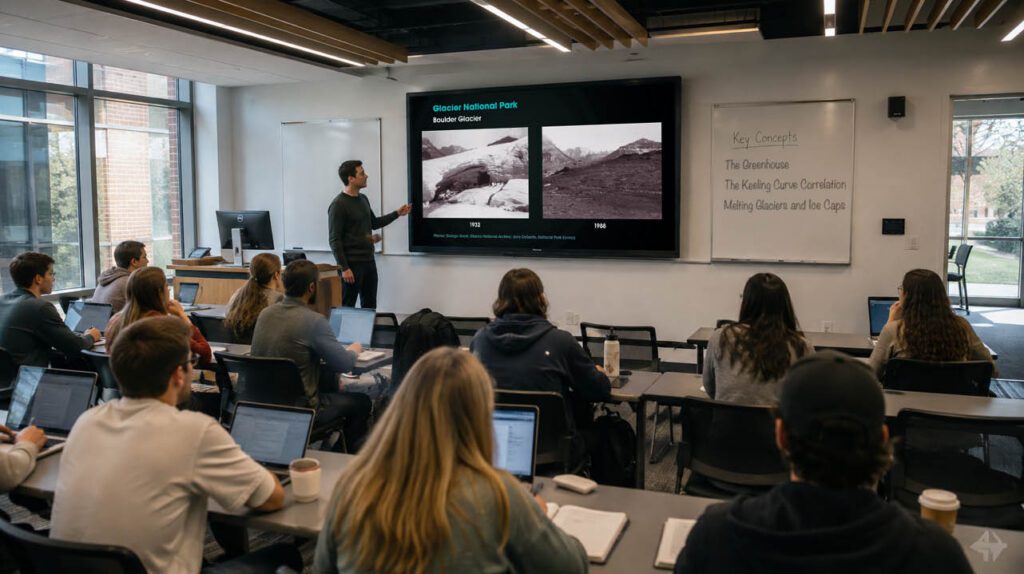
With access available for students at school and at home, teachers can incorporate video in a variety of ways, from whole-class viewing to flipped learning. As Len explains, that flexibility gives educators more options for connecting film to what they’re already teaching.
Swank’s library also spans multiple subjects and grade levels, helping teachers find opportunities to use film beyond the places they might traditionally expect it.
Helping teachers discover something new
The tools within Swank Educational Streaming are also helping teachers expand beyond the films they already know.
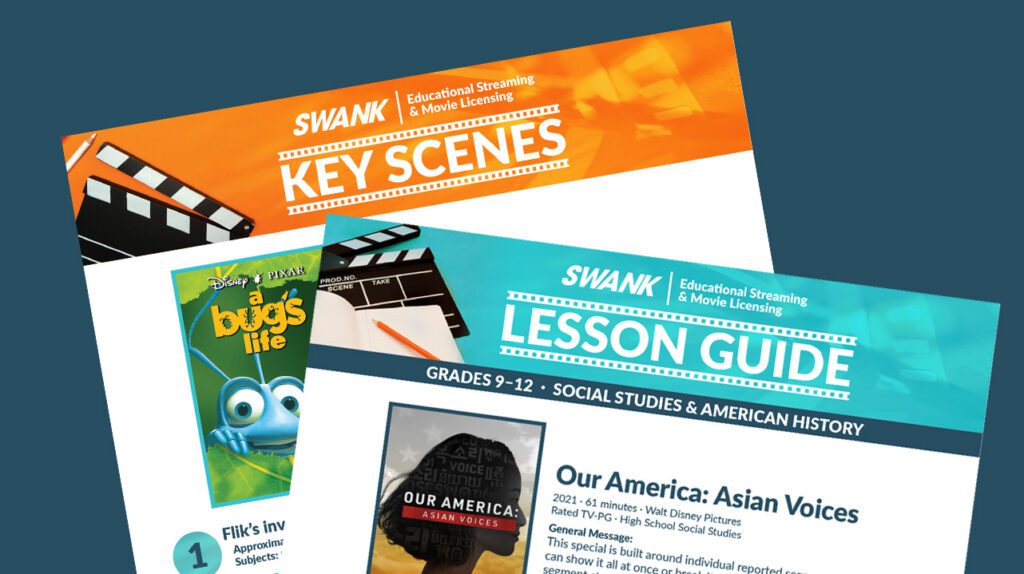
Len points to the platform’s recommendation capabilities as one example. Teachers can use the Swank AI Teaching Assistant to discover films they may not have considered before, giving them new ways to reinforce concepts and connect video to their lessons.
As he puts it, teachers can explore “different films in different ways that reinforce what they’re teaching.“
Turning Full Films Into Focused Teaching Moments
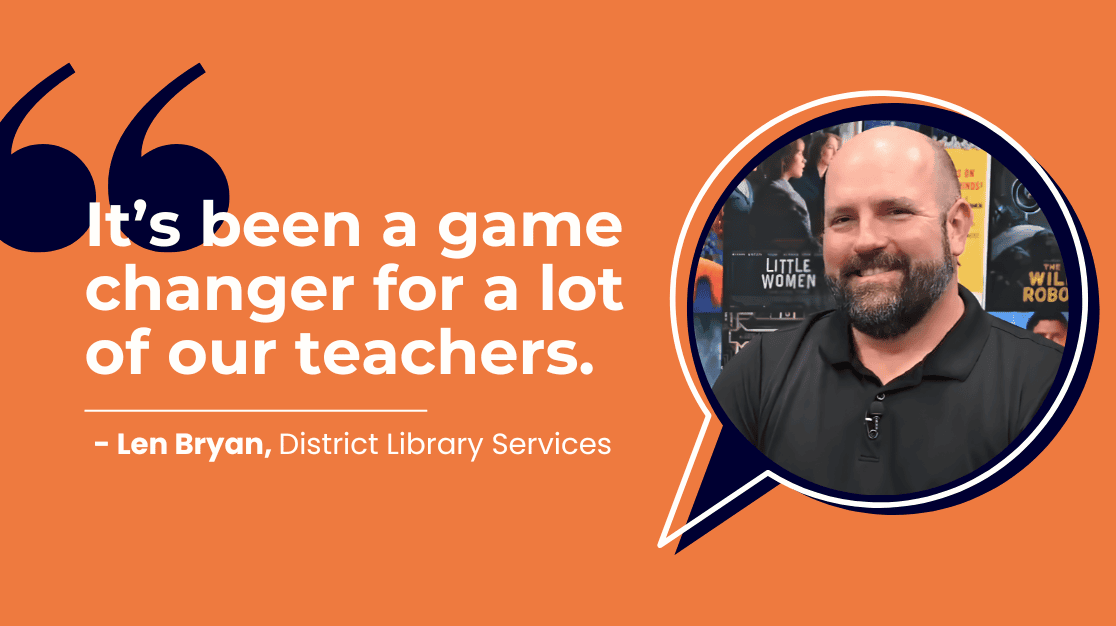
For Cherry Creek teachers, one of the most popular features has been the ability to bookmark specific scenes within a film. Instead of manually searching for the right moment each time, teachers can set a starting and stopping point, add directions and share that scene directly with students.
That makes it easier to use film more intentionally within a lesson, whether the goal is to introduce a concept, reinforce what students are learning or give them a specific moment to respond to.
As Len shared, “The bookmark feature has been hugely popular.” Teachers can quickly return to the exact part of a film they need and build viewing into their lesson without showing the entire movie.
Expanding access for specialized courses
That impact extends beyond traditional classroom use.
Len pointed to high school film studies courses, where teachers had previously been tracking down DVDs and, in some cases, spending their own money to obtain media for students.
Once those educators saw what was already available through Swank Educational Streaming, the reaction was immediate: “We can show movies and not have to worry about it.”
With one resource supporting multiple subjects, grade levels and schools, educators have more consistent access to video without relying on physical media or personal streaming services.
Give your teachers more ways to teach with video
Swank Educational Streaming is a cloud-based platform built for K–12 education, giving schools secure, on-demand access to movies, documentaries and educational series while making instructional video easier to deliver and support. Built-in tools help teachers discover content, focus on key scenes and use video more purposefully in their lessons.